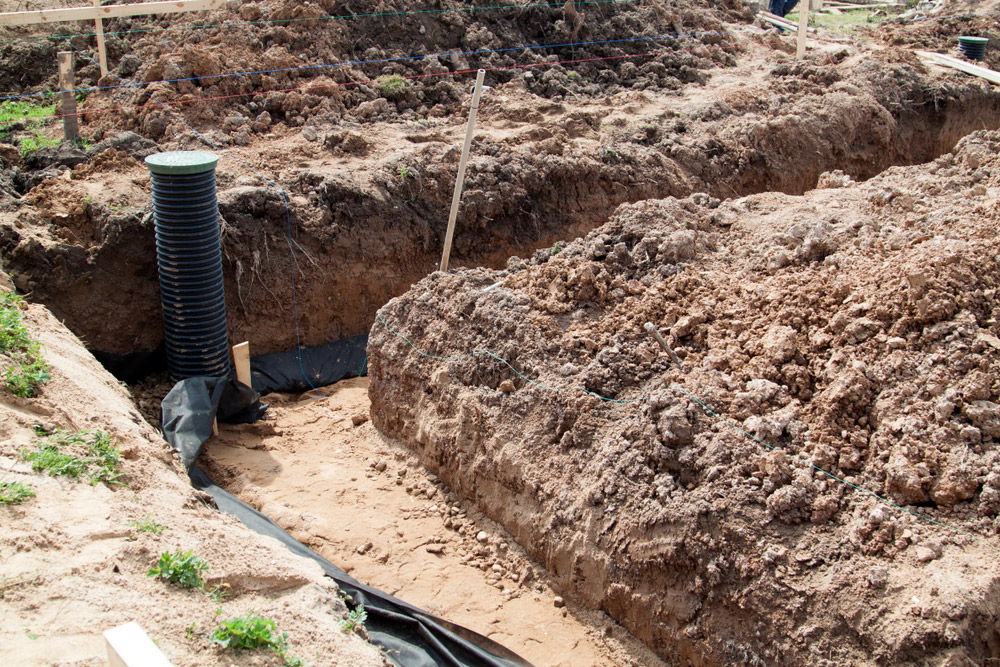
How do I know if a drainage field needs replacing?
We’ve provided plenty of tips on drainage maintenance – but this is one of the most vital questions we’ve tackled to date.
How do you know if your drainage field needs replacing – and what steps can you take?
If you don’t know, you could encounter potential issues that may affect your home and the surrounding environment.
What is a drainage field?
A drainage field plays a vital role in treating wastewater from your property and dispersing it safely and compliantly.
Typically, it comprises a series of perforated pipes that distribute treated wastewater from a septic tank or treatment plan into the surrounding soil.
The soil then breaks down any remaining organic matter, acting as a natural filter so that only clean water percolates into groundwater.
But what are the signs you should look for that could mean you need a replacement?
- Drains backing up
One of the most noticeable indicators that your drainage field is failing are frequent backups in your plumbing.
If your sinks, toilets, or showers are regularly blocked, or slow to drain, this could mean wastewater isn’t passing through effectively.
- Unpleasant odours
Bad smells from your garden, or near your drainage field, can be a clear sign that something’s wrong.
It could mean wastewater is surfacing, which suggests your drainage field is either damaged or not working properly.
- Surface puddles
Similarly, if you’re noticing puddles forming above the drainage area, it’s likely the system is failing to perform properly.
This means wastewater isn’t being dispersed efficiently to be properly absorbed.
Why else might my drainage field need replacing?
Even if you’re not seeing obvious signs your drainage field may need replacing, there are still other factors to consider.
Firstly, the age of your system could mean it’s more susceptible to below par performance.
Typically, a drainage field’s lifespan can be as long as 15-25 years, depending on details like usage volume and soil type.
So if your system is older, it may be susceptible to problems – but regular maintenance inspections by a professional can help identify any issues early.
And as mentioned, soil condition can also affect a drainage field’s performance, with heavier clay content sometimes hindering drainage.
What should I do if my drainage field needs replacing?
If you suspect you need a new drainage field, for any of the reasons listed above or otherwise – it’s best to consult a professional.
An expert can conduct a thorough inspection to determine your system’s health and advise whether a complete replacement or repair is best.
To talk to someone who can help you make an informed decision about your drainage field, please get in touch.