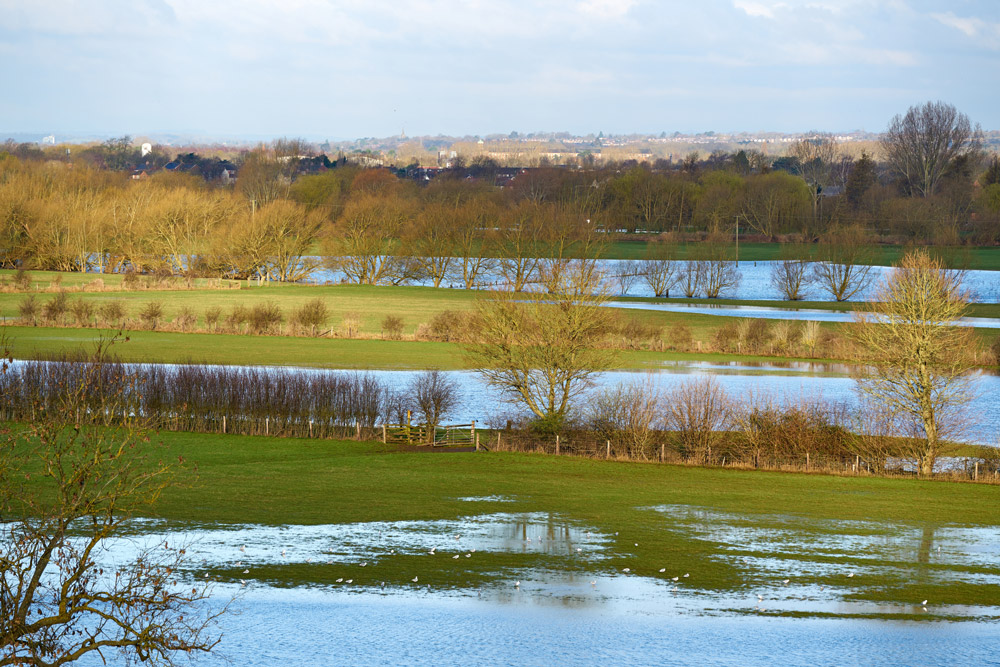
In previous pieces, we’ve discussed how seasonal weather can impact your domestic drainage. But in 2025, a number of unprecedented meteorological events throughout the year affected rural homeowners in particular. And these acted as a real reminder to those households of the importance of drainage system maintenance.
How does extreme weather affect groundwater?
From flash floods and prolonged wet periods, to record breaking heat – the unpredictable weather we’ve experienced has been impossible to ignore. And the effects it’s had on groundwater levels (and the subsequent impact on rural homes) has been significant and – in some cases – costly.
Groundwater plays a vital role in the ongoing function of the drainage systems of such properties. Heavy rainfall can quickly saturate the ground, reducing its effectiveness at absorbing additional discharge from wastewater systems. This can result in surface flooding, slower drainage or even damage to soakaways and septic tanks.
And during hot, dry spells – the ground can contract and crack, movement which can also disrupt the operation of systems and pipework. Again, this can lead to system problems such as reduced efficiency, potential odours and backed up systems.
Why was 2025 bad for rural homes?
England saw the driest start to the year since 1976 and the least rainfall in March since 1893. And by the end of June, groundwater levels at many major aquifer sites were classed as ‘below normal’ for the time of year.
This dry Summer was followed by an extremely wet Autumn in many areas, with East Yorkshire and Lincolnshire seeing record November rainfall. And major storms such as Amy and Bram brought further wet weather disruption, particularly in rural settings. These areas are often lower lying parts of the country, which are typically the worst affected by flooding.
This volatility is likely to continue in 2026 – so it’s advisable for rural dwellers to consider regular system monitoring. That means seasonally scheduled maintenance checks, not just during system installation or after a problem occurs.
Why do regular drainage checks matter?
Planned groundwater and drainage checks can help rural homeowners prevent costly repairs and catch issues before they progress, including:
- Incorrectly functioning septic tanks or soakaways following heavy rainfall
- An overflowing or leaking system that can cause pollution to nearby watercourses
- Drought related shrinkage of soil around vital drainage components
And of course, a properly maintained system adds value to a property and may prevent any challenges to selling in the future.
Time to get ahead of the climate?
As a nation, factoring climate resilience into our property maintenance routines makes more sense each year. Preparing for a more erratic (but ultimately wetter and warmer) future should be a priority for people in rural areas.
If you’d like to know more about how tailored drainage assessments could help you navigate this, please get in touch.